
Asia ODM & hardware launch partner
Every interface matters.
Development and supplier coordination for mobility hardware, with loads, power, environment and production evidence in view.
Define the fit
The brief comes before the shortlist.
Mobility hardware connects mechanical performance, power electronics and changing conditions. Evaluate a partner against the actual subsystem, rather than the broad category alone.
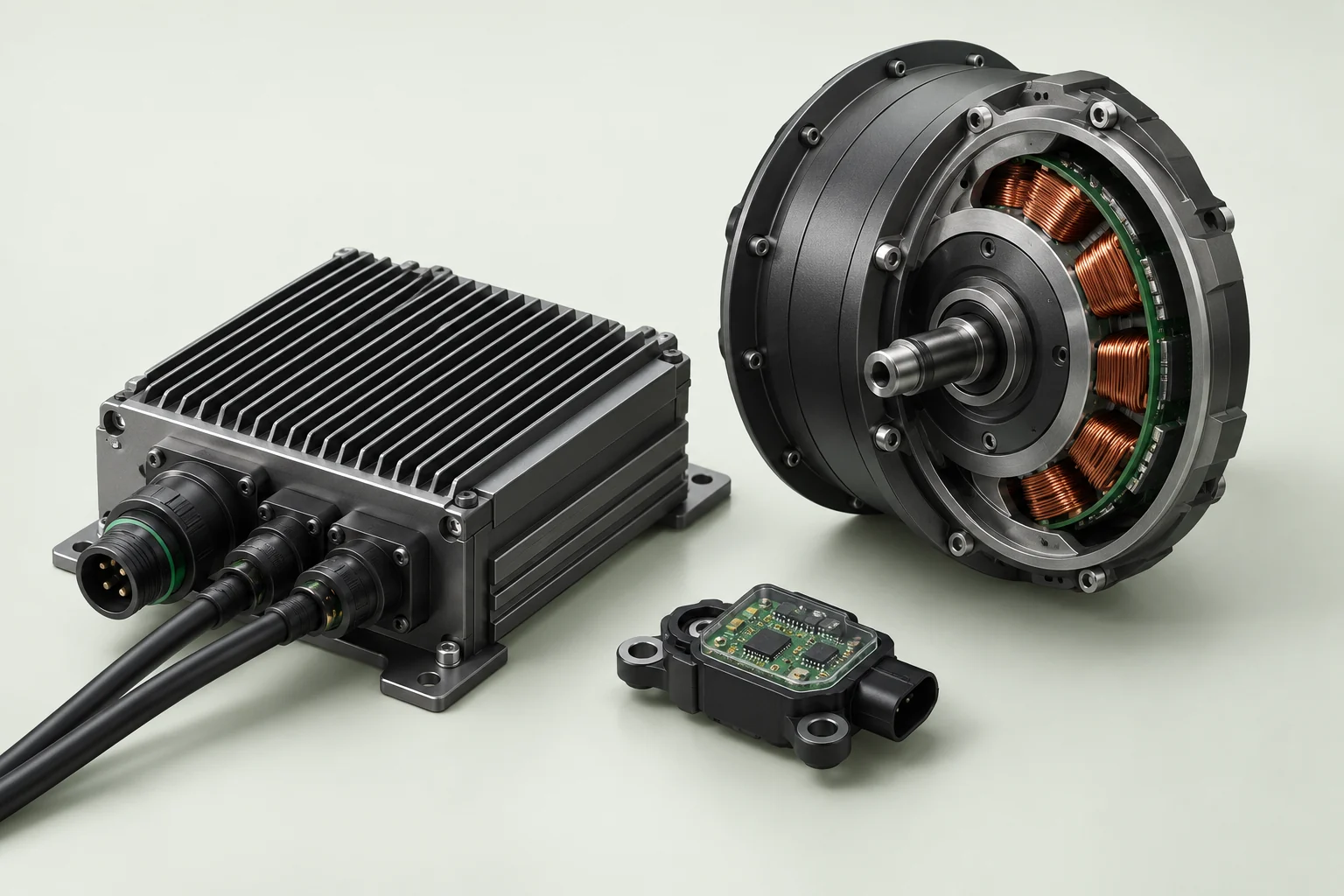
What to examine
Get specific
before you commit.
System boundaries
Define mechanical, electrical and software interfaces. Record loads, power and installation conditions that affect design.
Reliability planning
Discuss exposure and use with specialists. Define verification before treating a prototype as production-ready.
Configuration and continuity
Agree change-control, substitution and traceability requirements. Review replacement parts and possible supplier transitions.
Partner conversations
Ask for evidence.
- Which subsystem is in scope?
- What interfaces must the supplier understand?
- Who approves verification and release?
For electronics, sensors, controllers and related mobility hardware needing a coordinated supplier pathway.
How we approach qualificationYour starting point
Make the next conversation useful.
Bring the subsystem scope, interfaces, operating conditions and stage.
Connect the partner decision to development, NPI and production launch, and ongoing supplier support. Scope and responsibilities are agreed for each project.
Check your brief readinessWhat are you building next?
Tell us about your product, stage and manufacturing goals.