
Asia ODM & hardware launch partner
Start with intended use.
Hardware partner selection for digital-health products, with intended use, traceability and specialist responsibilities made explicit.
Define the fit
The brief comes before the shortlist.
A health-related device needs a precise intended use and a clear statement of proposed claims. That definition informs engineering, supplier and specialist work. A generic supplier certificate does not show that a specific product is ready for market.
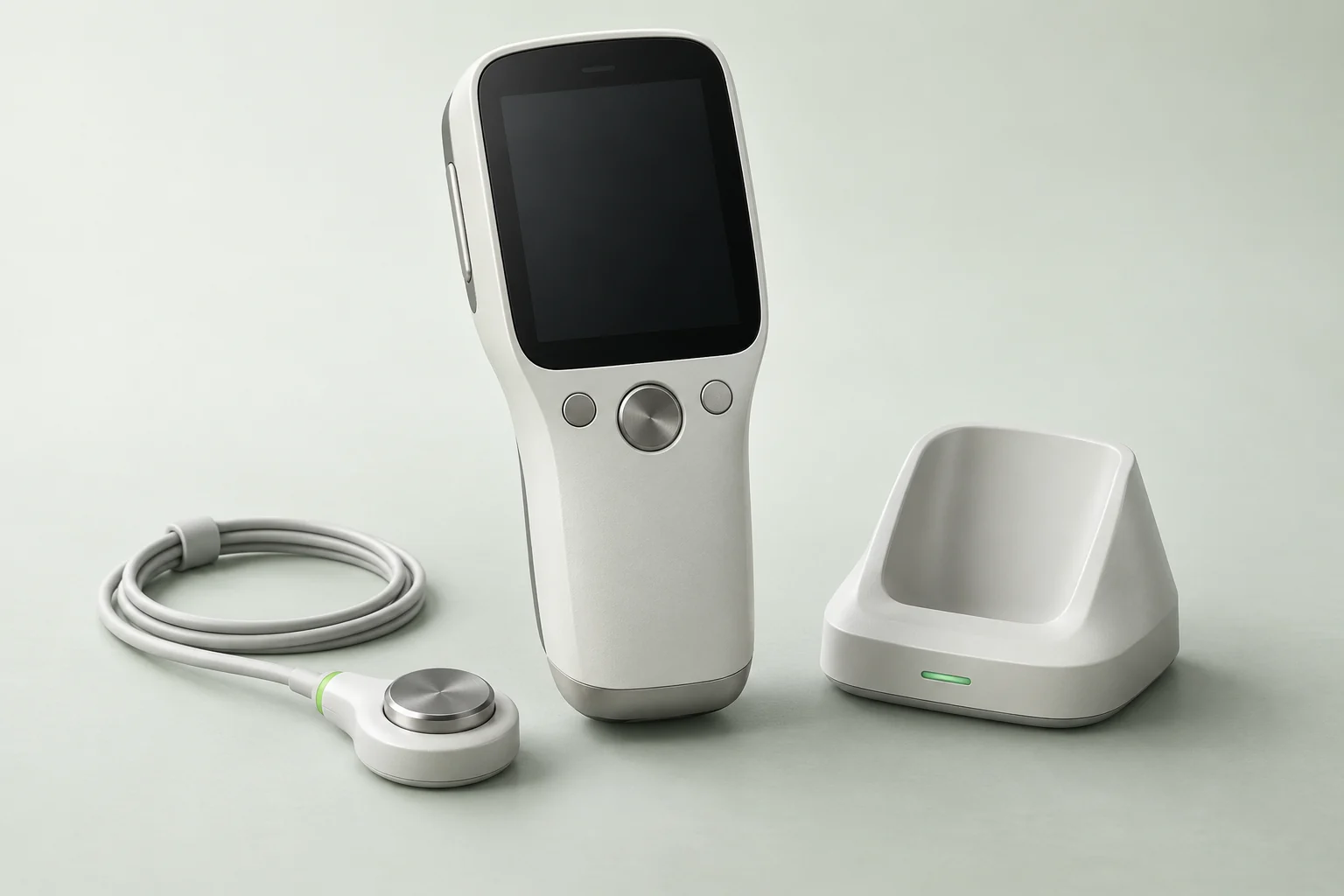
What to examine
Get specific
before you commit.
Intended use
Clarify user, environment, markets and claims. Engage qualified regulatory and clinical expertise where required, with a separate scope.
Evidence and traceability
Ask how requirements, changes, components and test results will be recorded. Review relevant quality-system evidence against the project scope.
Product verification
Name owners for test methods, technical approvals and market-access submissions, and define the evidence each stage needs.
Partner conversations
Ask for evidence.
- What use and claims are proposed?
- Which specialist responsibilities have an owner?
- What documentation must reach production?
For teams organizing development and manufacturing, with product-specific verification and market access scoped alongside the appropriate specialists.
How we approach qualificationYour starting point
Make the next conversation useful.
Bring an intended-use statement, target markets and any existing specialist advice.
Connect the partner decision to development, NPI and production launch, and ongoing supplier support. Scope and responsibilities are agreed for each project.
Check your brief readinessWhat are you building next?
Tell us about your product, stage and manufacturing goals.