
Asia ODM & hardware launch partner
Wearable ODM partners. A closer fit.
Supplier selection for wearable hardware, connecting sensing, comfort, miniaturization, power and production requirements.
Define the fit
The brief comes before the shortlist.
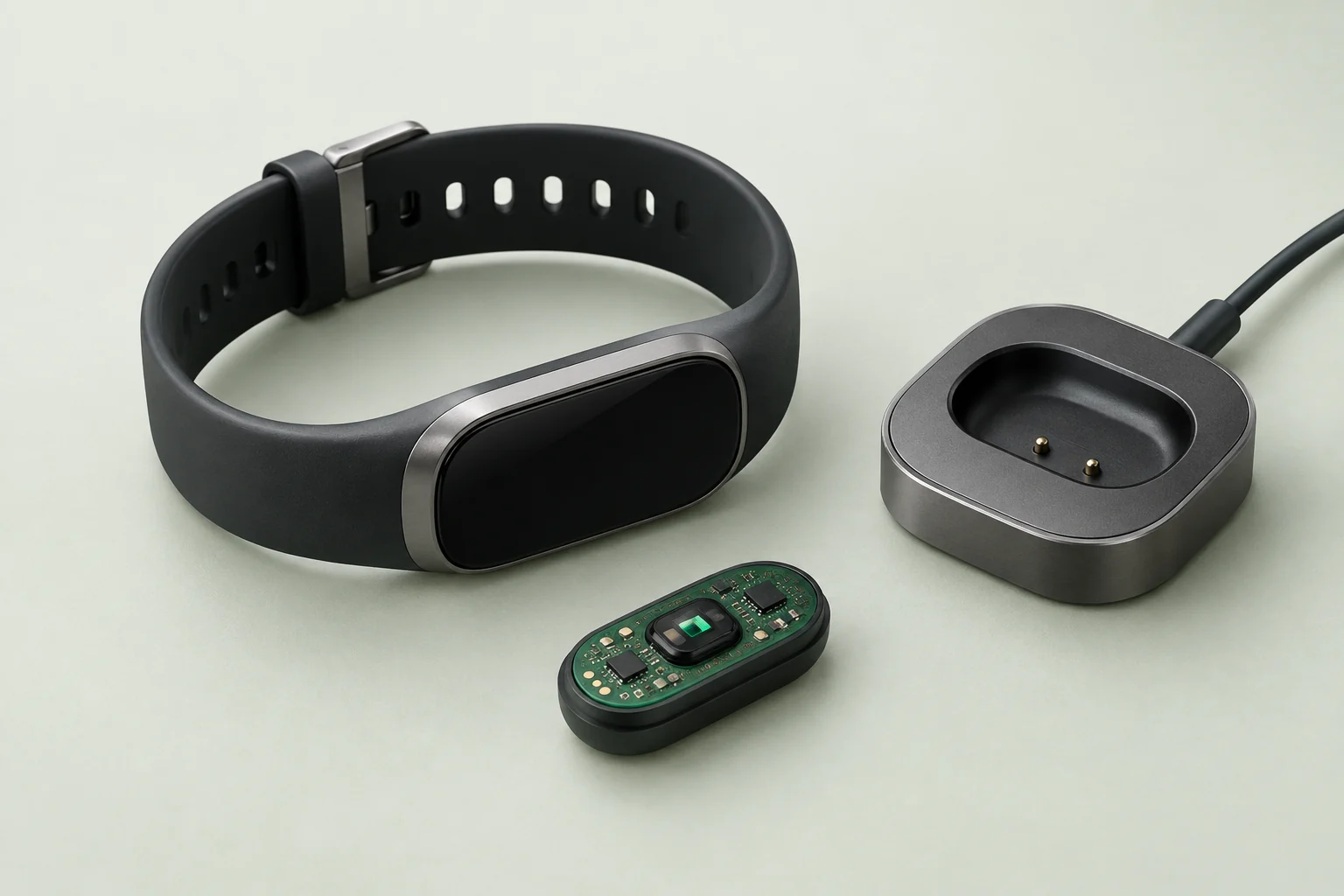
Wearables combine compact electronics with a product people wear, handle and charge. The right partner must understand both small-scale assembly and the interaction between fit, sensing and daily use.
What to examine
Get specific
before you commit.
Wearability and use
Describe where and how the device is worn, its environment and contact with the body. Define comfort and material requirements beyond appearance.
Power, sensing and packaging
Review battery, antenna, sensor and enclosure space together. Ask how mechanical variation affects sensing, sealing and assembly.
Validation and lifecycle
Plan charging, durability, cleaning and updates. Health-related claims need a defined intended use and appropriate specialist review.
Partner conversations
Ask for evidence.
- What must the wearable prototype prove?
- Which processes require specialist capability?
- How are sensing performance and fit assessed together?
For connected wearables and sensing accessories with tight mechanical and power constraints. Clinical or regulated claims require qualified assessment.
How we approach qualificationYour starting point
Make the next conversation useful.
Bring a use case, form-factor concept, sensor functions and expected usage between charges. Identify fixed requirements and open choices.
Connect the partner decision to development, NPI and production launch, and ongoing supplier support. Scope and responsibilities are agreed for each project.
Check your brief readinessWhat are you building next?
Tell us about your product, stage and manufacturing goals.