
Asia ODM & hardware launch partner
Connected intelligence. Built around the user.
Explore AI and wearable ODM pathways, and define shared engineering responsibilities before selecting a manufacturing partner.
Define the fit
The brief comes before the shortlist.
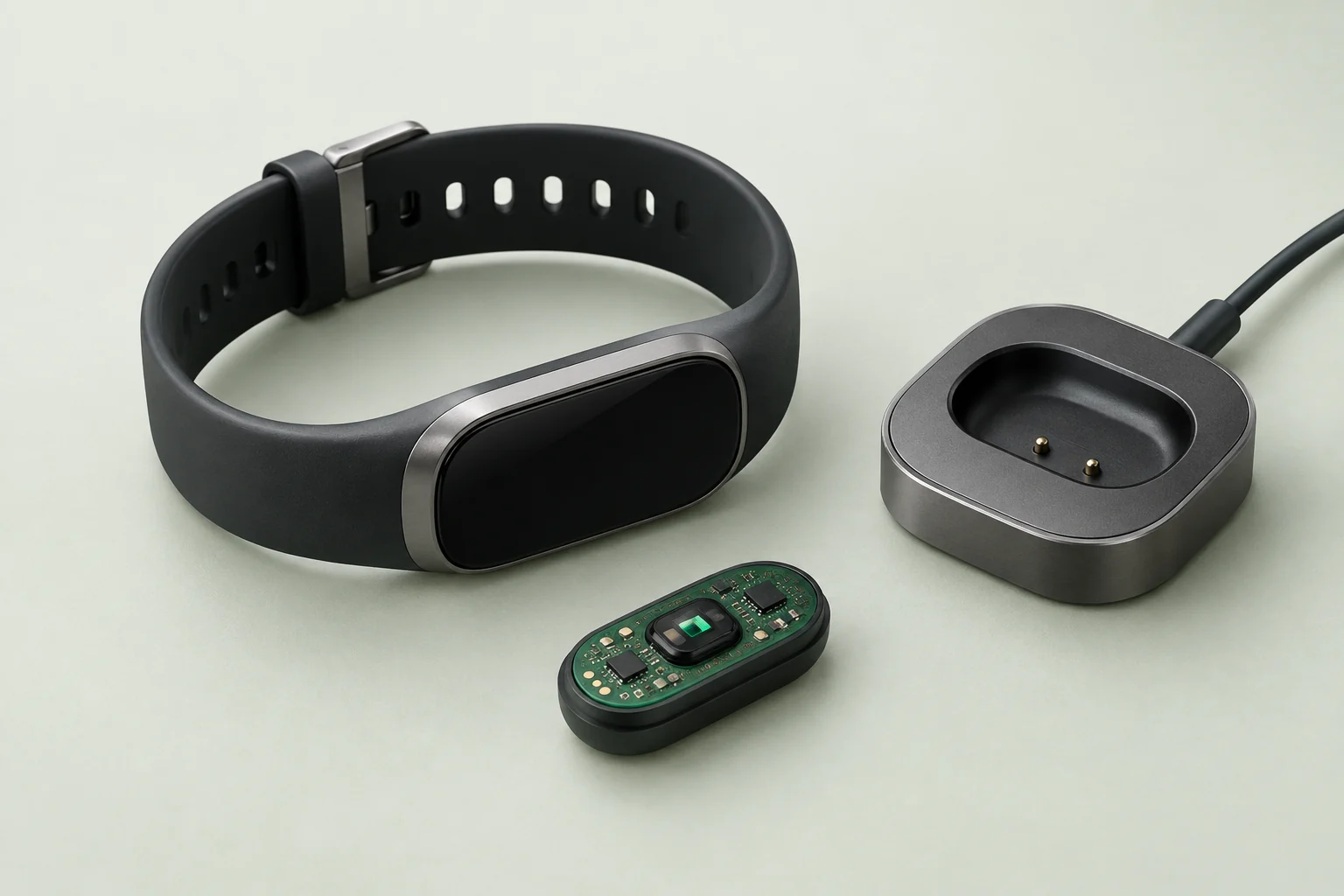
Some products combine on-device intelligence, body-worn sensing and a connected service. Separate the jobs of hardware, firmware, AI application and user software to decide whether one ODM or several specialists are appropriate.
What to examine
Get specific
before you commit.
Find the main uncertainty
Identify whether miniaturization, sensing, compute or integration is the biggest unresolved engineering question.
Make interfaces explicit
Document data, power and mechanical interfaces. Existing product experience does not automatically cover your end-to-end system.
Choose a focused route
Use our dedicated AI hardware and wearables guides to frame the brief, then assess how those capabilities connect.
Partner conversations
Ask for evidence.
- What runs on the device and what runs elsewhere?
- Which responsibilities are outside the ODM scope?
- What would demonstrate the complete use case?
An entry point for cross-category products. The dedicated AI hardware and wearables pages provide detailed selection questions.
How we approach qualificationYour starting point
Make the next conversation useful.
Bring a simple system diagram and the user workflow, even if the hardware is at concept stage.
Connect the partner decision to development, NPI and production launch, and ongoing supplier support. Scope and responsibilities are agreed for each project.
Check your brief readinessWhat are you building next?
Tell us about your product, stage and manufacturing goals.